Bridgeland and Fairfield Backyard Dog Runs
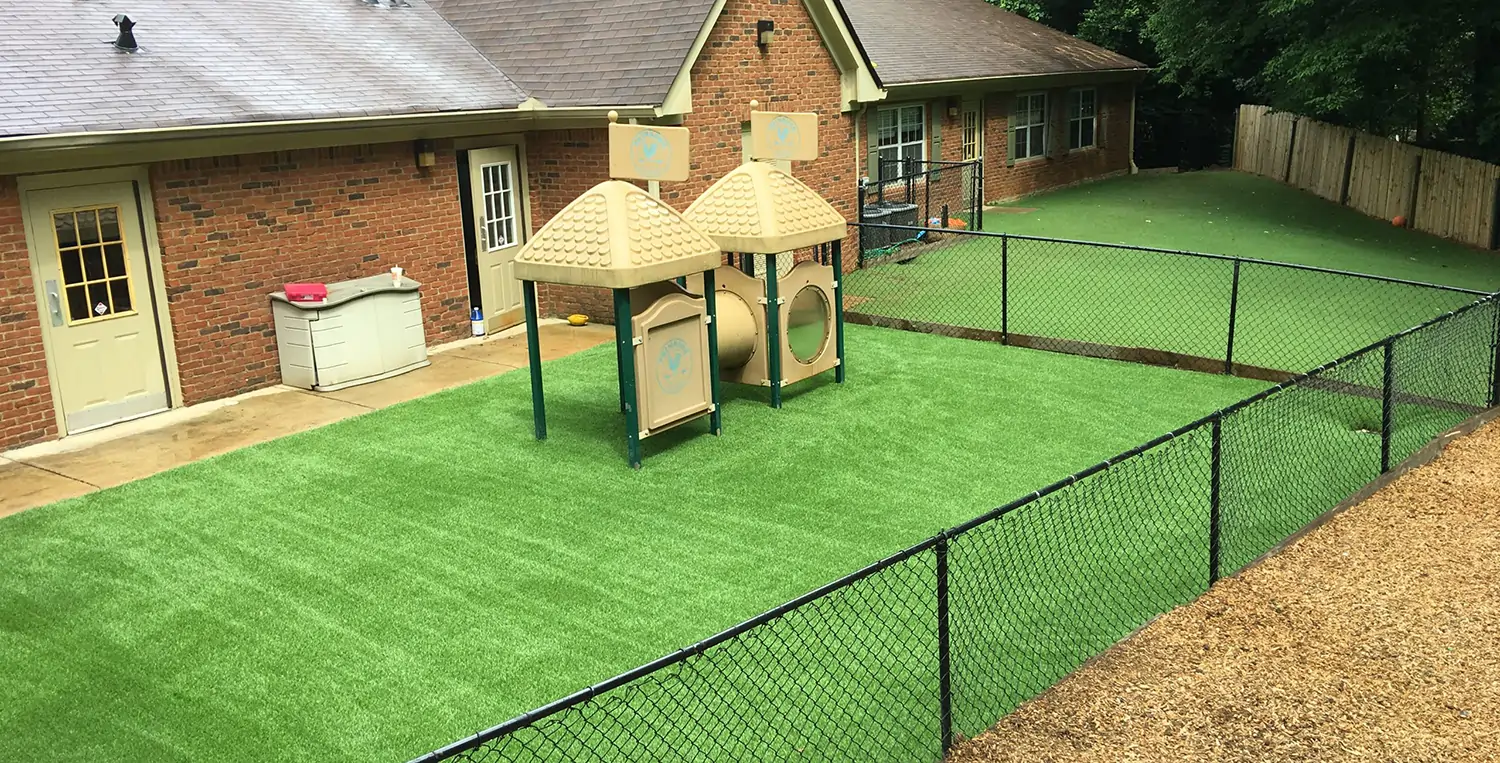
Master-planned community backyards with dedicated dog run zones. ARB submission, community-standard material selection, and clay-soil drainage engineering are included.
Loading...
Pet-use turf in the Cy-Fair corridor has one defining technical requirement that determines whether an installation succeeds or fails within the first twelve months: drainage. A pet-zone turf system that doesn't drain correctly under Cypress's rainfall patterns and daily pet-use load creates odor and sanitation problems that no surface deodorizer or periodic cleaning routine resolves. The drainage layer under pet-use turf—the aggregate depth, permeability rating, and outlet path—is the primary engineering decision for every pet-use installation we do in Cypress, Bridgeland, Katy, Spring, and Magnolia.
Artificial Grass of Cypress designs pet-zone drainage for the specific soil profile and drainage load of each property. Harris County clay—dominant in Cypress, Bridgeland, Fairfield, and Coles Crossing—has low permeability that concentrates drainage pressure at aggregate layer interfaces in ways that sandy loam soils in northern Montgomery County properties don't. Pet-use installations in clay-soil Cypress properties need deeper aggregate, higher-permeability infill, and outlet paths designed for concentrated rinse-down and daily pet traffic drainage load.
For master-planned community properties, pet-zone turf still requires ARB submission. Bridgeland, Towne Lake, and Fairfield ARB offices review pet-use turf installations with the same community standard criteria as general residential installations. Material selection, pile height, and color compliance requirements apply. We include ARB submission management for pet-use projects in community-governed properties.
The spatial planning of a pet-use installation also matters: dedicated dog runs, perimeter containment edges, and the positioning of relief zones relative to the drainage outlet path are planned to maximize drainage efficiency and minimize odor concentration near occupied outdoor spaces. That spatial planning is part of the pre-installation process, not a field improvisation during installation.
Pet-use turf installations include drainage engineering specific to pet-traffic load, community ARB submission for HOA-governed properties, and spatial planning for relief zone and containment edge placement.
Pet-use installations follow a drainage-first process that ensures sanitation performance from day one through years of regular use.
Lot drainage behavior, soil profile, WCID irrigation proximity, and relief zone positioning are assessed before drainage and base specification is finalized.
For Bridgeland, Towne Lake, Fairfield, and other HOA communities, pet-use turf submission is prepared and approved before installation is scheduled.
Pet-zone drainage aggregate is placed and compacted to pet-traffic drainage load specifications. Base depth and drainage outlet are confirmed before surface placement.
Turf is placed, containment edges are detailed, infill is calibrated for pet-use performance, and drainage function is validated before project handoff. Care and sanitation guidance is provided.
Pet-zone turf in the Cy-Fair corridor is installed for specific outdoor zones where drainage performance and sanitation are the defining requirements.
Master-planned community backyards with dedicated dog run zones. ARB submission, community-standard material selection, and clay-soil drainage engineering are included.
Cypress homes with multiple dogs or high-frequency outdoor pet use where standard sod drainage has failed and sanitation concerns are the primary replacement driver.
Properties in northern service zone communities with sandy loam soil profiles where pet-zone drainage specifications adjust for soil permeability differences from Harris County clay.
Pet-zone turf installed without drainage engineering appropriate for Harris County clay soil and Cypress rainfall patterns fails within one season. The odor and sanitation consequences of that failure are immediate and persistent. Artificial Grass of Cypress designs pet-zone drainage from the ground up for the specific conditions of each Cypress property—soil profile, drainage load, lot grade behavior, and WCID irrigation proximity. For community-governed properties in Bridgeland, Towne Lake, and Fairfield, we also manage the ARB submission process so the installation is compliant from day one.
Pet-use installation cost is based on drainage engineering requirements, zone size, community standard documentation needs, and pet-specific material selection.
Clay soil permeability and concentrated rinse-down drainage requirements for pet zones increase aggregate depth and drainage component specifications above standard residential base.
Pet-use installations in Bridgeland, Towne Lake, Fairfield, and other HOA communities require ARB submission management as part of the project scope.
Dog run footprint, containment edge detailing, and relief zone positioning relative to drainage outlets affect labor and material quantities.
Antimicrobial infill options, higher-permeability surface profiles, and face weight specifications appropriate for pet-traffic intensity affect material cost.
Pet-use turf coverage includes Cypress (all master-planned communities), Bridgeland (Lakeland Heights, Parkland Village, Hidden Creek), Towne Lake, Fairfield, Coles Crossing, Katy, Spring (Gleannloch Farms, Cypresswood), Magnolia, Tomball, Hockley, and surrounding Cy-Fair corridor communities.
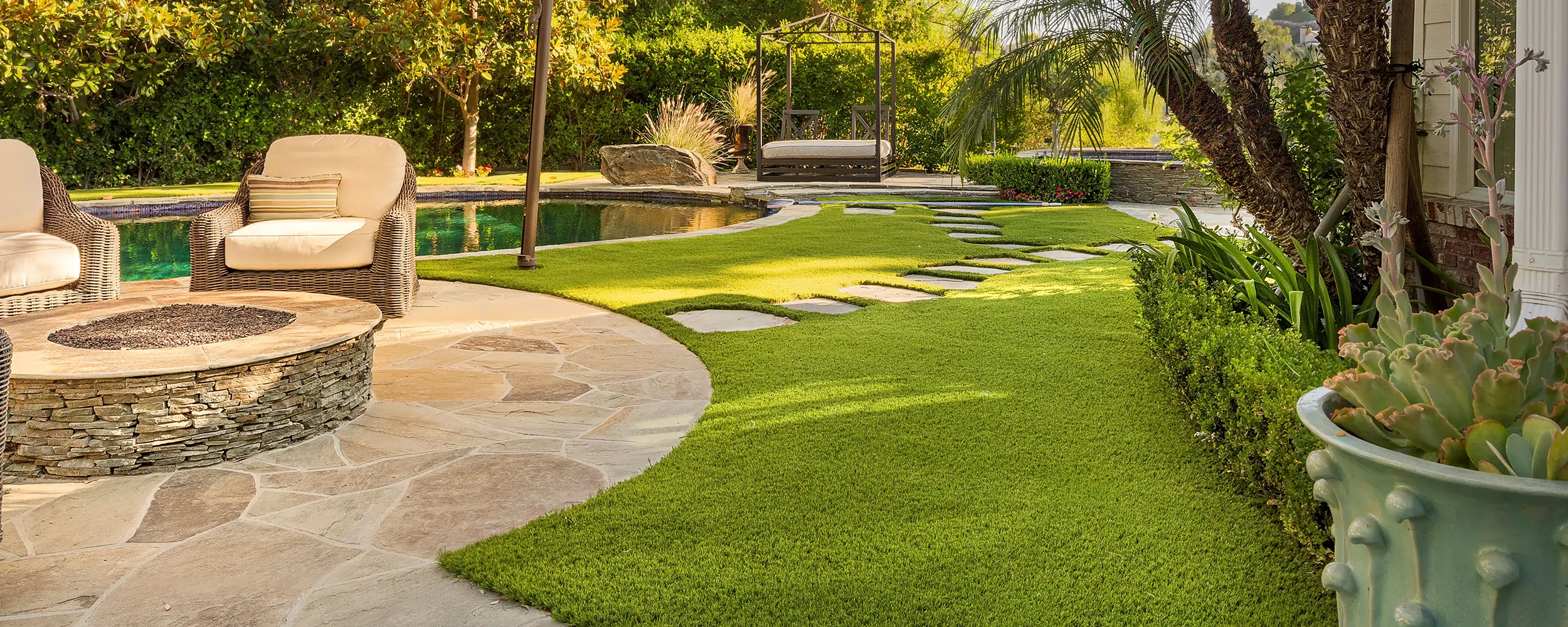
Low-maintenance turf systems for front yards, backyards, pool zones, and family activity areas.
Learn More
Corrective service for seams, edges, flattened fibers, and uneven infill performance.
Learn More
Drainage and base-layer scope for better water movement and long-term surface stability.
Learn More
Project planning support that aligns goals, scope, timeline, and material options before install day.
Learn MorePet-zone drainage load is concentrated: daily rinse-down, urine volume, and foot traffic combine in a smaller area than general lawn use. Harris County clay soil's low permeability amplifies that concentration. Standard residential base specifications don't perform adequately under pet-use drainage load.
Yes. ARB submission requirements apply to pet-zone turf installations in master-planned communities. Material selection, pile height, and installation documentation standards are the same as general residential installations.
Infill selection for pet-use zones depends on pet size, use frequency, and drainage requirements. Antimicrobial infill options and higher-permeability profiles are reviewed during material selection. We recommend based on the specific property conditions.
Routine maintenance includes debris removal, daily or weekly rinse-down depending on use intensity, periodic fiber grooming, and annual drainage performance review. We provide a care guide specific to the drainage specification installed.
Yes, provided the installation is ARB-compliant. We manage the submission process to ensure the installation meets community standards before work begins.
Submit your address, service type, and timeline to receive next-step planning details.